
What Is a Plating Dangler?
Posted on
What Is a Plating Dangler and When Do You Need One?
When it comes to barrel plating, choosing the right electrical contact and barrel configuration impacts quality and consistency of your finished parts. One of the most common options in barrel plating is a plating dangler, also known as a cathode dangler. But danglers aren't the right solution for every application. Depending on part geometry and mass, a floating center rod or cone strip may offer better processing performance.
At Novo Metal Finishing Equipment, we manufacture custom barrel plating equipment and components designed around the specific requirements of your operation. In this blog, we'll explain what a plating dangler is, when to use one, and how it compares with other barrel plating options.
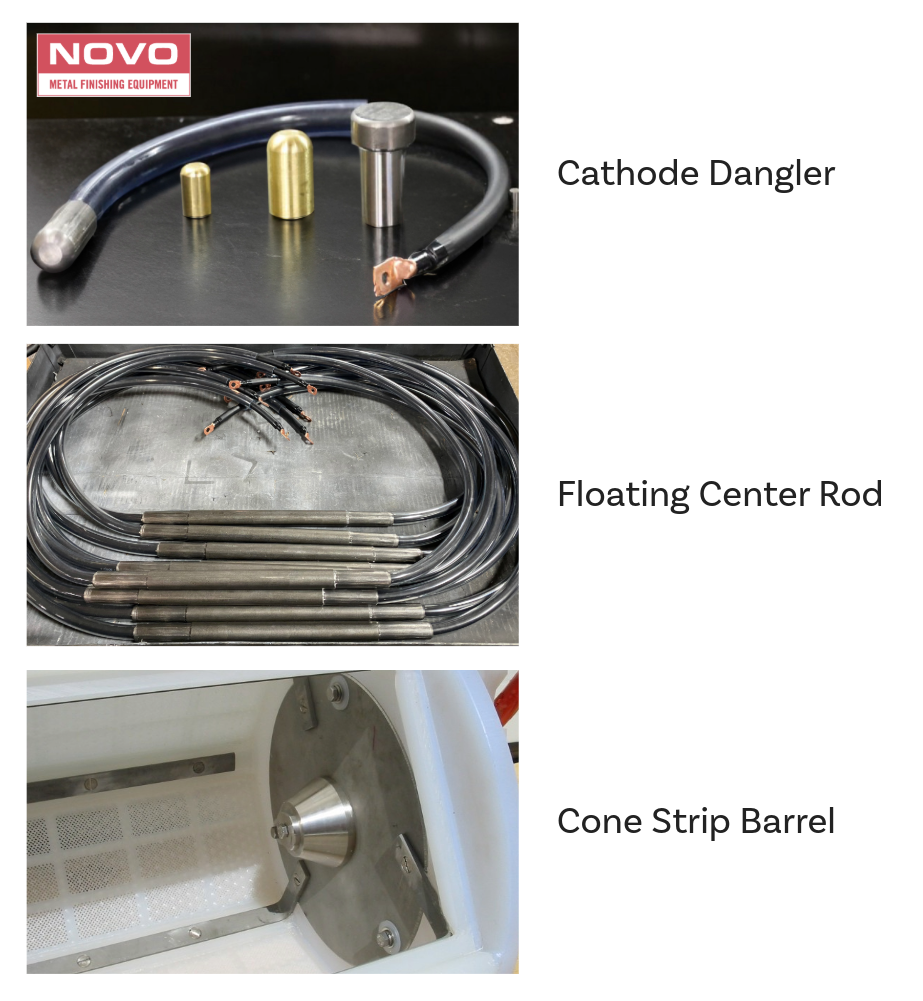
What Is a Plating Dangler?
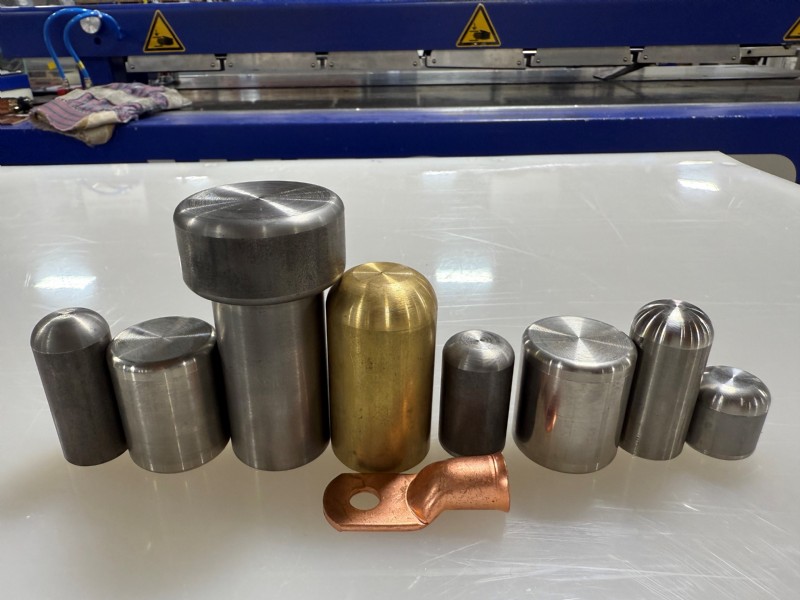
A plating dangler is an electrical contact used in barrel plating to provide cathodic contact to the parts inside the plating barrel. Also commonly called a cathode dangler, a typical dangler consists of conductive cables with metal balls on the ends. The danglers extend into the rotating plating barrel, where the metal balls make contact with the parts as they tumble. This contact allows electrical current to flow through the parts during the plating process. Because the parts are constantly moving inside the barrel, the danglers are designed to maintain electrical contact throughout the plating cycle.
When Should You Use a Dangler?
Dangler systems are particularly well suited for heavier-duty parts that can withstand tumbling and contact with other parts.
Examples include:
- Bolts
- Nuts
- Screws
- Washers
- Other durable metal components
If your parts are sturdy enough to tumble against one another without being damaged, a dangler can be a simple and economical way to provide electrical contact during barrel plating.
One of the biggest advantages of danglers is their cost-effectiveness. Compared with more specialized barrel configurations, danglers can provide a straightforward solution for applications involving durable, bulk parts. Danglers can also be replaced quickly.
However, heavier-duty parts aren't the only consideration: the way your parts behave inside the barrel is equally important.
The Breakdown: Dangler vs. Floating Center Rod vs. Cone Strip Barrel
There isn't one barrel plating solution that works for every part. The best option depends largely on the characteristics of the parts being plated. Three common approaches include cathode danglers, floating center rods, and cone strip barrels.
Cathode Dangler
Best for: Heavy-duty, durable parts
Cathode danglers are an economical option for parts that can withstand tumbling, contact, and movement inside the barrel. If you're plating items such as bolts, screws, nuts, or other robust components, danglers may be an excellent choice. The key consideration is whether your parts can handle the physical movement and contact that occurs during barrel plating.
Advantages of a Cathode Dangler:
- Economical
- Simple design
- Effective electrical contact
- Well suited for durable parts
- Easy to change and replace
- Effective for high-volume barrel plating applications
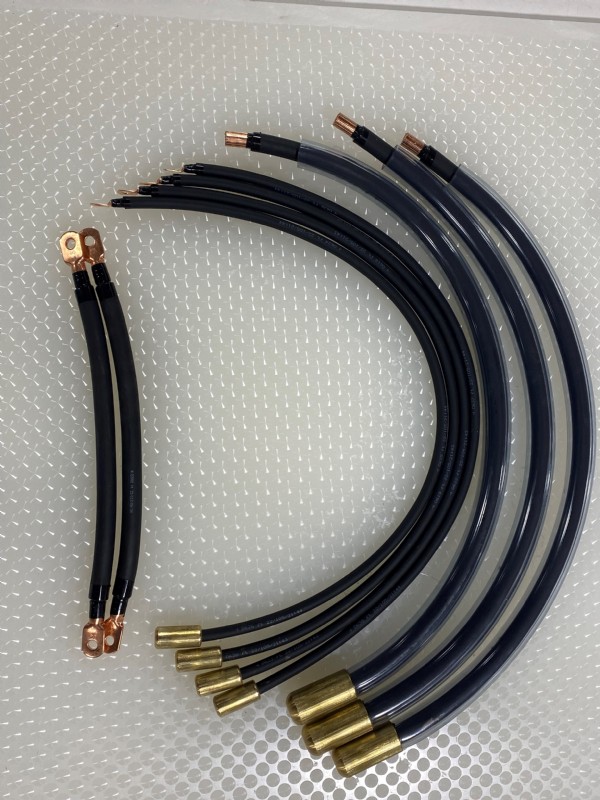
Floating Center Rod
Best for: Small or delicate parts
For smaller or more delicate components, a floating center rod can provide an alternative to traditional danglers. A floating center rod is designed to provide electrical contact while helping accommodate applications where minimizing part damage is important. This can make it a better choice for parts that may become scratched, dented, tangled, or otherwise damaged during more aggressive tumbling. The additional control provided by a floating center rod can be particularly useful when plating small, lightweight, or delicate components.
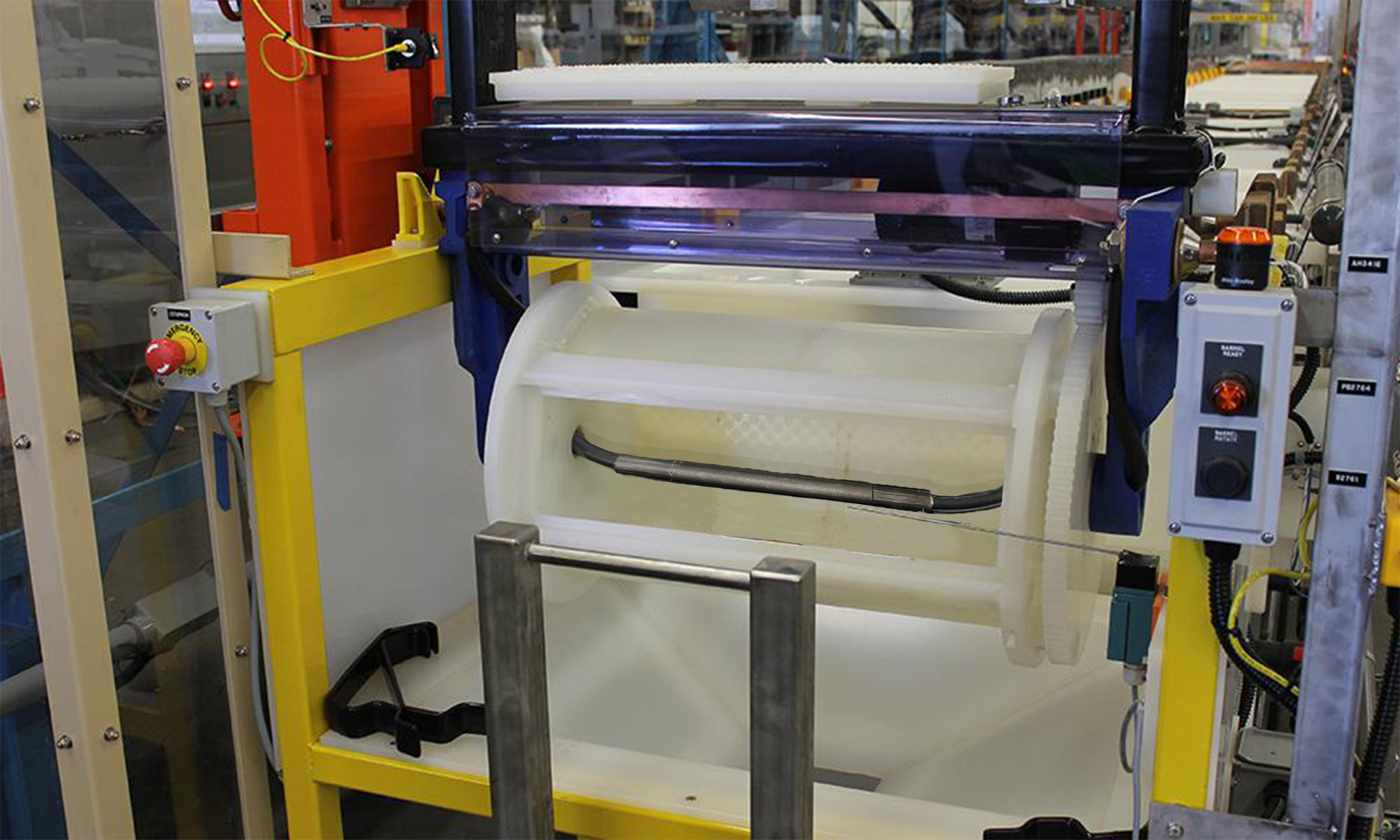
Cone Strip Barrel
Best for: Small, delicate, or specialized parts. Also can be used for heavy, sharp, or long parts.
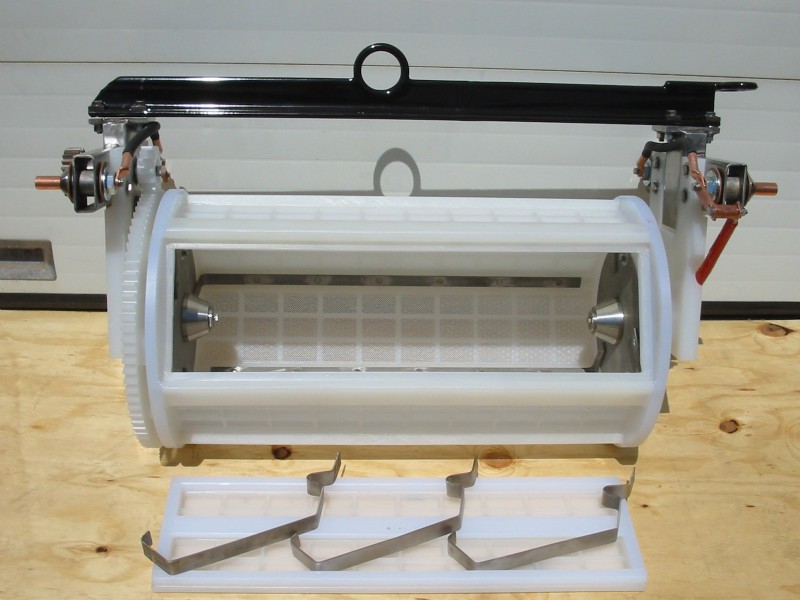
Cone strip barrels offer an effective alternative for applications where traditional cathode danglers may damage parts during processing. Their design provides better control over part movement within the barrel, making them ideal for smaller, delicate, or high‑value components. When parts are susceptible to damage, deformation, or tangling, selecting the right barrel configuration can significantly improve plating consistency and overall process quality.
Cone strip barrels are also well‑suited for parts that are sharp, elongated, or likely to cause wear or breakage to conventional danglers. For example, chains can wrap around cathode danglers, leading to part and equipment damage. Similarly, sharp or extended metal parts can abrade or deform the dangler as the barrel rotates.
The cone strip barrel provides a unique, reliable solution for challenging parts at either end of the spectrum- from fragile to abrasive.
We Know Part Type Matters
Choosing between a dangler, floating center rod, or cone strip barrel isn't simply a matter of selecting the most advanced option: the part itself should drive the equipment selection. This is where we can help evaluate the requirements of your application and determine the appropriate equipment configuration.
Ready to discuss the different cathode options? Contact us so one of our plating experts can answer your questions.
Custom Barrel Plating Equipment from Novo Metal Finishing Equipment
In addition to Cathode Danglers, Novo Metal Finishing Equipment provides a wide range of parts for the metal plating and surface finishing industry, such as: