When Should You Change Your Plating Saddles?
Posted on
In any electroplating operation, consistency is everything. From current flow to coating quality, every component on your plating line plays a role in keeping production efficient and reliable. One of the most overlooked (yet most critical) components in the process is the plating saddle.
What Plating Saddles Go Through (and Why We Care)
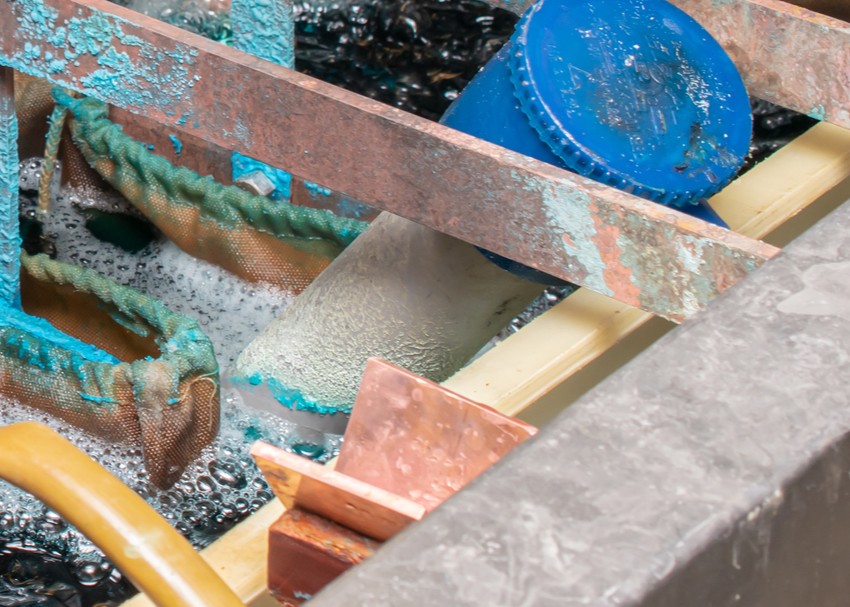
Electrified saddles maintain solid electrical contact between the power source and your plating barrels or racks. Over time, however, saddles wear down due to high electrical loads, harsh chemicals, corrosion, and everyday mechanical abuse. Non-electrified saddles don’t have it any easier – they are exposed to repeated mechanical and chemical abuses.
Why is this important? Ignoring industrial plating saddles can lead to inconsistent plating quality, increased power consumption, and costly downtime.
Why The Condition of Plating Saddles Matters
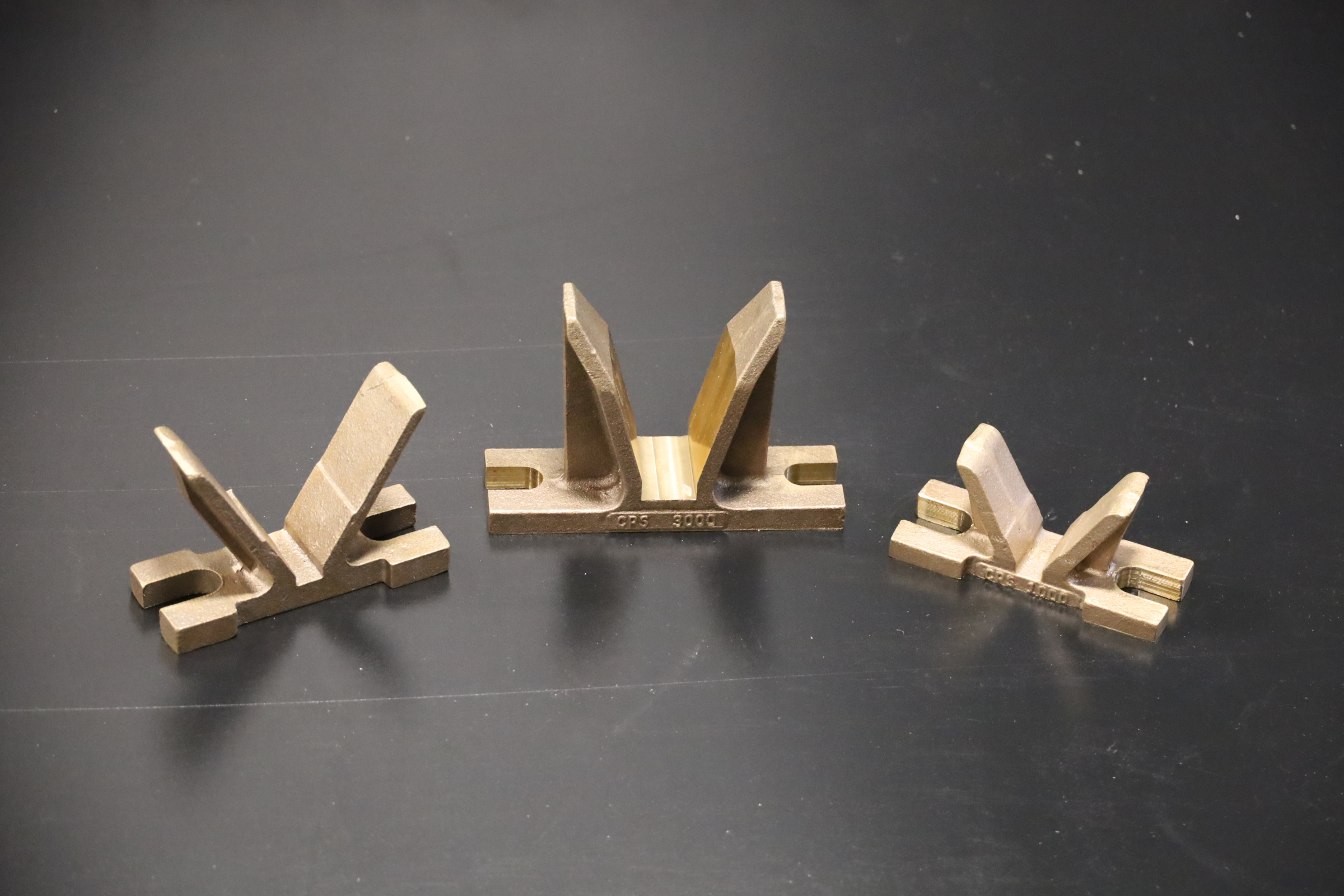
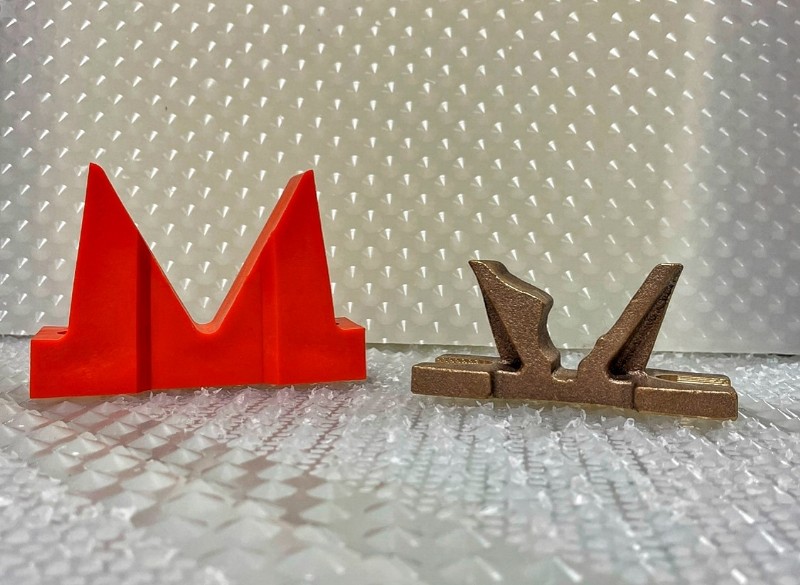
In electroplating applications, process speed and coating consistency depend heavily on current transfer. The better the electrical contact, the more efficiently current flows through the system. Novo Metal Finishing Equipment’s bronze alloy V-block saddles are specifically machined to maximize contact area and improve conductivity, helping operators get the most out of every amp. As they wear, the contact area decreases and can become intermittent. This can increase processing time and may impact the integrity of the parts being processed.
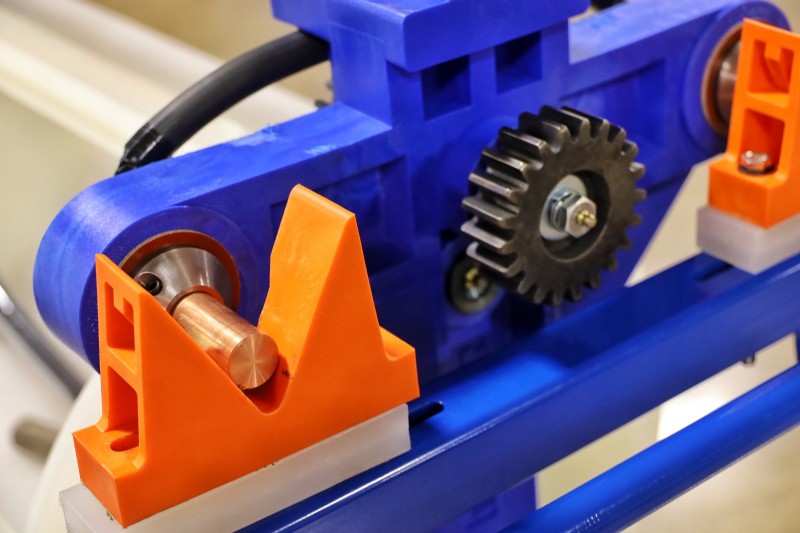
For rinse tanks and electroless plating systems, polypropylene saddles offer superior corrosion resistance and dependable performance in harsh chemical conditions. They provide a stable, protective support surface for the plating barrels and baskets placed on top.
Signs It’s Time to Replace Your Plating Saddles
1. Increased Heat at Contact Points
One of the clearest signs of a failing electrified saddle is excessive heat buildup. Poor electrical contact creates resistance, and resistance creates heat. If operators notice hot spots around the saddle or horn contact area, it often indicates wear, contamination, or pitting on the saddle surface.
Excessive heat not only wastes energy but also damages surrounding components and reduces plating efficiency. Observing excessive heat is a sign to replace the bronze saddle as quickly as possible.
2. Inconsistent Plating Quality
Uneven coating thickness, burning, poor adhesion, or inconsistent finishes can sometimes be traced back to inadequate current transfer. As electified saddles wear, the contact area between the saddle and horn becomes less reliable, reducing conductivity and causing fluctuations in current flow.
Many plating issues are initially blamed on chemistry or rack design when the real culprit is simply worn contact components.
3. Visible Wear or Mechanical Damage
Routine inspection of saddles should include checking for:
- Grooving or pitting
- Corrosion buildup
- Cracks or deformation
- Worn V-block surfaces
- Loose fitment
- Surface contamination
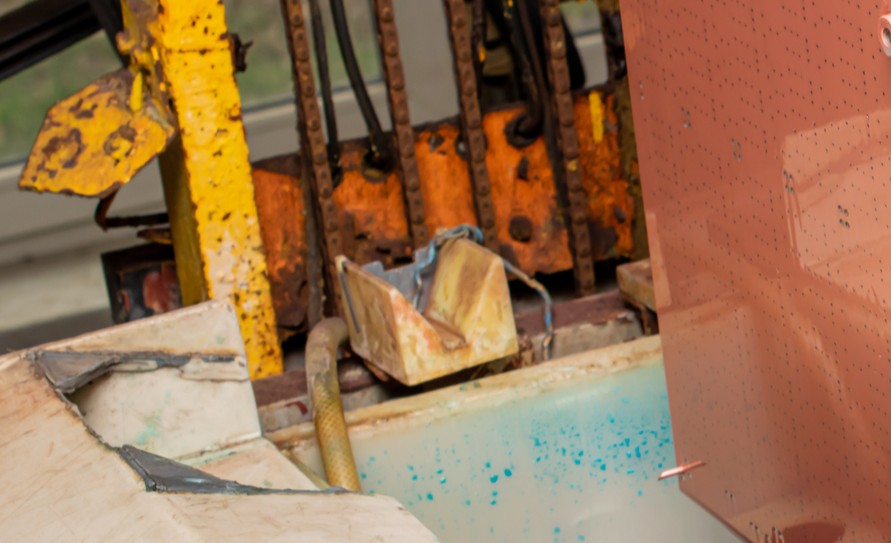
Bronze saddles used in high-amperage applications can eventually wear down from repeated barrel or rack movement. Polypropylene non-electrified saddles can become brittle or damaged after prolonged chemical exposure.
If the saddle no longer provides a clean, stable seating surface, replacement should be scheduled immediately.
4. Increased Power Consumption
As contact resistance increases, plating systems require more energy to achieve the same plating results. Facilities may notice rising power usage or longer cycle times without realizing worn saddles are contributing to the inefficiency.
Maintaining clean, properly machined contact surfaces helps reduce power losses and improve throughput.
5. Frequent Cleaning Is No Longer Enough
Maintenance teams often clean saddles to remove oxidation, buildup, and contamination. While cleaning is an important part of preventive maintenance, there comes a point where the material itself is too worn to restore proper conductivity.
If cleaning temporarily improves performance but issues quickly return, it is likely time for replacement.
Preventive Maintenance Is the Best Strategy
At Novo Metal Finishing Equipment, routine saddle replacement is considered a critical part of preventive maintenance for plating systems.
Waiting for complete failure can lead to:
- Production downtime
- Scrap or rejected parts
- Higher energy costs
- Damage to horns or flight bars
- Reduced plating throughput
Instead, facilities should inspect saddles (and other components) regularly and replace them before performance issues escalate.
Choosing the Right Replacement Saddle
Not all tank plating saddles are built the same. Proper fit, material selection, and machining quality all impact performance and longevity.
Novo Metal Finishing Equipment provides both bronze alloy and polypropylene V-block saddles designed for exact-fit replacement applications. We machine our bronze alloy saddles in-house to match our customers’ equipment and maximize contact area.
Bronze saddles are ideal for electroplating applications requiring high conductivity and current transfer, while polypropylene saddles are excellent for rinse and electroless applications where electrical conductivity is unnecessary.
Keep Your Line Running Efficiently
Small components often make the biggest difference in plating performance. Replacing worn tank plating saddles before they fail can improve current efficiency, reduce downtime, maintain plating quality, and extend the life of your entire plating line.
Novo Metal Finishing Equipment offers a complete line of replacement saddles, horns, flight bars, plating barrels, and other critical plating components designed for long-term durability and performance in harsh finishing environments.
If your plating line is experiencing inconsistent performance, excess heat, or visible saddle wear, it may be time to evaluate your contact components before a small maintenance issue becomes a major production problem. Contact us for more information about our replacement saddle options.