
Why Replacing Cathode Danglers Is Critical for High Quality Barrel Plating
Posted on
In any barrel plating operation, the cathode dangler is one of the smallest components in the system, however it has an outsized impact on coating quality, production efficiency, and long‑term equipment health. As plating shops push for tighter tolerances, higher throughput, and fewer rejects, maintaining and replacing worn danglers becomes a strategic advantage rather than a routine chore.
The results are self-explanatory: damaged or worn danglers impede the plating process and increase production costs. Understanding why helps prioritize this simple but high‑value maintenance step.
What do Cathode Danglers Do in the Plating Process?
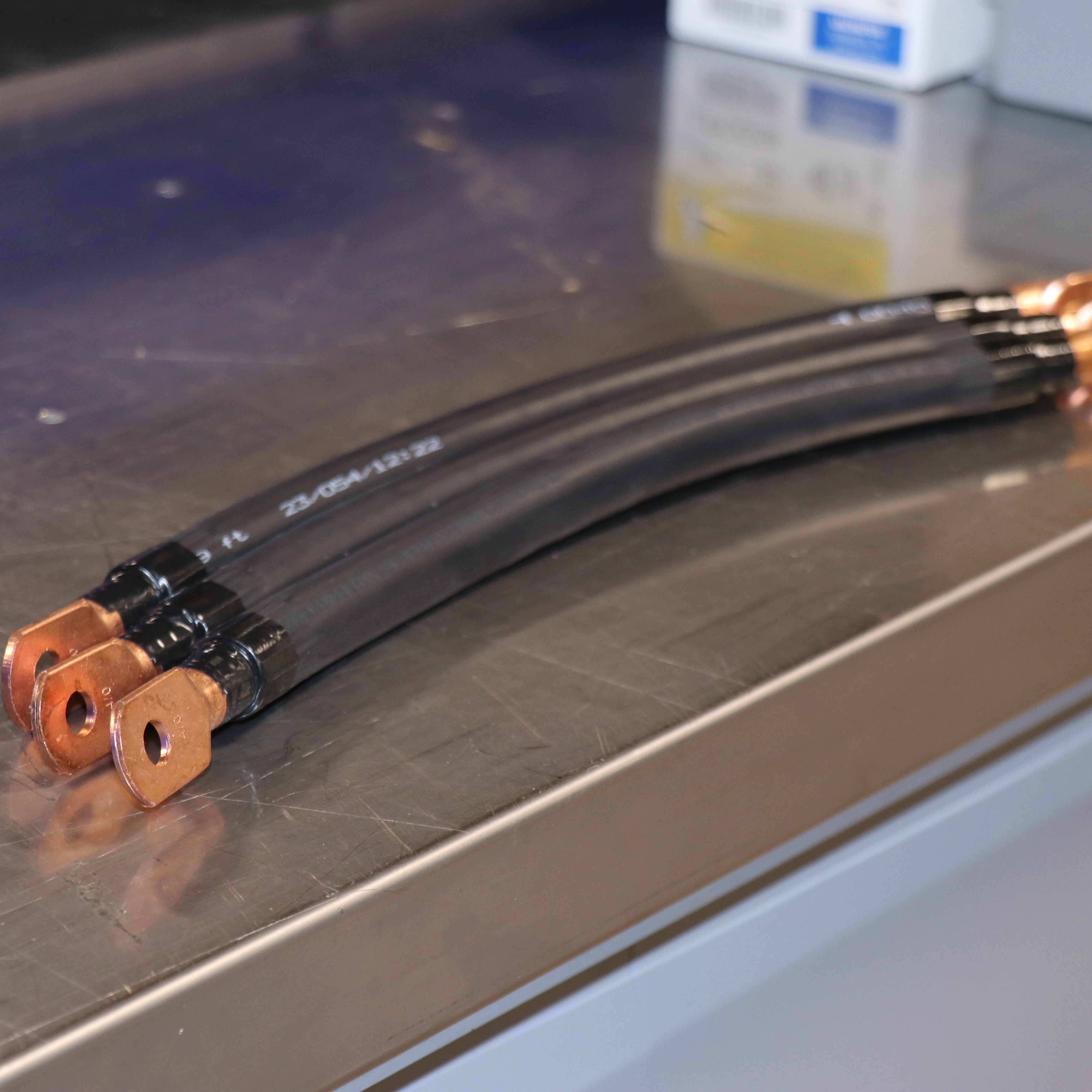
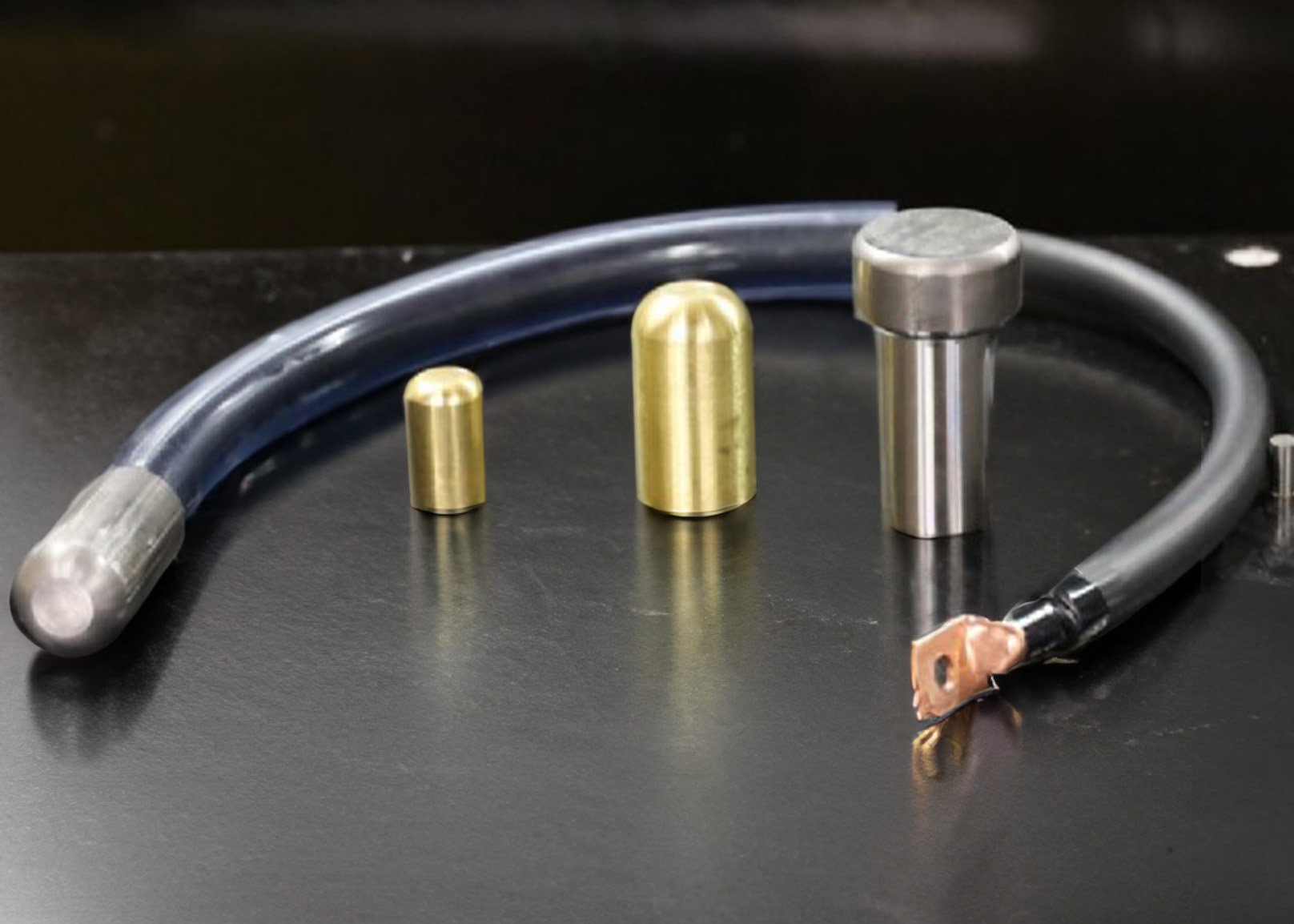
Cathode danglers are flexible conductive cables that deliver electrical current into the rotating barrel, providing the electrical contact required for metal deposition. They are engineered to withstand harsh chemical exposure, aggressive mechanical wear, and constant movement inside the barrel. High‑quality danglers help maintain stable, uniform conductivity, which directly affects coating thickness, adhesion, and corrosion resistance.
When a dangler begins to degrade, every part in the load is affected.
Why Dangler Replacement Matters
Consistent Electrical Contact = Consistent Plating Quality
A worn dangler can reduce or interrupt current flow, leading to:
- Uneven thickness
- Poor adhesion
- Increased rejects
- Rework and wasted chemistry
- Increased process time
Uniform conductivity is essential for predictable, repeatable results, especially in zinc, nickel, and copper barrel plating.
Reduced Production Costs
The old adage, “if it it ain’t broke, don’t fix it,” can be misleading. Continuing to use worn cathode danglers often results in margin loss. For instance, higher costs may be caused by:
- Higher scrap rates
- Longer cycle times
- Increased downtime
- Increased chemical consumption
Replacing a dangler is far cheaper than losing a full load of parts and chemicals.
Preventing Mechanical Damage to Parts and Equipment
As danglers age, they can stiffen, fray, or twist. This can cause snarling inside the barrel, part bending or entanglement, or damage to the barrel interior.
In fact, plating experts note that danglers must “snake their way through the parts,” and worn or rigid cables can cause snarls that bend or distort parts, especially long or delicate components.
If a cathode dangler breaks during plating, the exposed conductive wire poses a safety risk to both operators and equipment.
Monitoring for Chemical Degradation and Contamination
Protective sleeves and contact tips degrade over time due to:
- Acidic or alkaline chemicals
- Abrasion from tumbling parts
- Metal buildup on tips
This degradation can introduce contamination or reduce conductivity, both of which compromise plating quality. Routine replacement ensures safe, reliable operation for both equipment and operators.
How Often Should Cathode Danglers Be Replaced?
While every shop’s environment is different, most plating equipment manufacturers recommend regular inspection and scheduled replacement as part of a preventive maintenance program. Replacement frequency depends on:
- Chemistry aggressiveness
- Barrel rotation speed
- Part geometry
- Load weight
- Operating hours
If you see reduced plating efficiency, inconsistent results, or visible wear on the cable or tip, it’s time to replace the cathode dangler.
Why Choose Novo Metal Finishing Equipment for Replacement Danglers
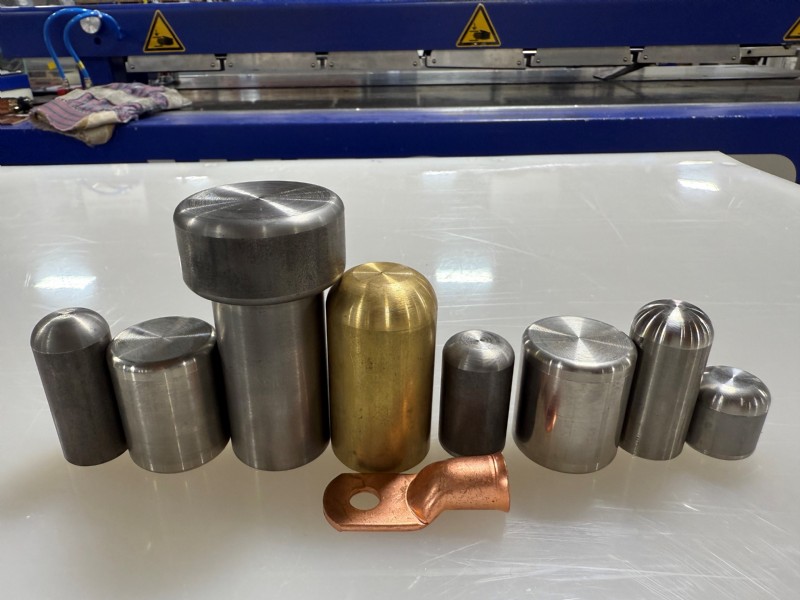
Novo’s plating barrels and accessories are engineered for durability, reliability, and long service life. Our replacement danglers and contact tips are designed to:
- Maintain stable electrical conductivity
- Resist chemical attack
- Reduce downtime
- Improve plating uniformity
- Extend the life of your barrels
Whether you’re running zinc, nickel, copper, or another chemical, Novo Metal Finishing Equipment provides the right dangler configuration for your process.
Final Thoughts on Cathode Danglers
Cathode danglers may be small, but they are mission‑critical. Replacing them regularly is one of the simplest ways to:
- Improve plating quality
- Reduce scrap
- Protect your equipment
- Lower operating costs