
How Do You Choose the Right Plating Barrel for Small Components?
Posted on
How Do You Choose the Right Plating Barrel for Small Components?
When you're plating thousands (or even millions) of small components, the barrel you choose can have a major impact on plating quality, throughput, part protection, and overall efficiency.
Small parts present unique challenges. They need consistent electrical contact and proper solution flow, but some components can also be delicate enough that excessive tumbling or part-to-part contact may cause damage. At the same time, high-volume operations need equipment capable of processing large quantities efficiently without sacrificing consistency.
So, how do you choose the right plating barrel for your small components?
At Novo Metal Finishing Equipment, plating barrels can be designed around the parts, chemistry, production volume, and specific requirements of the plating operation.
Start With the Parts You’re Plating
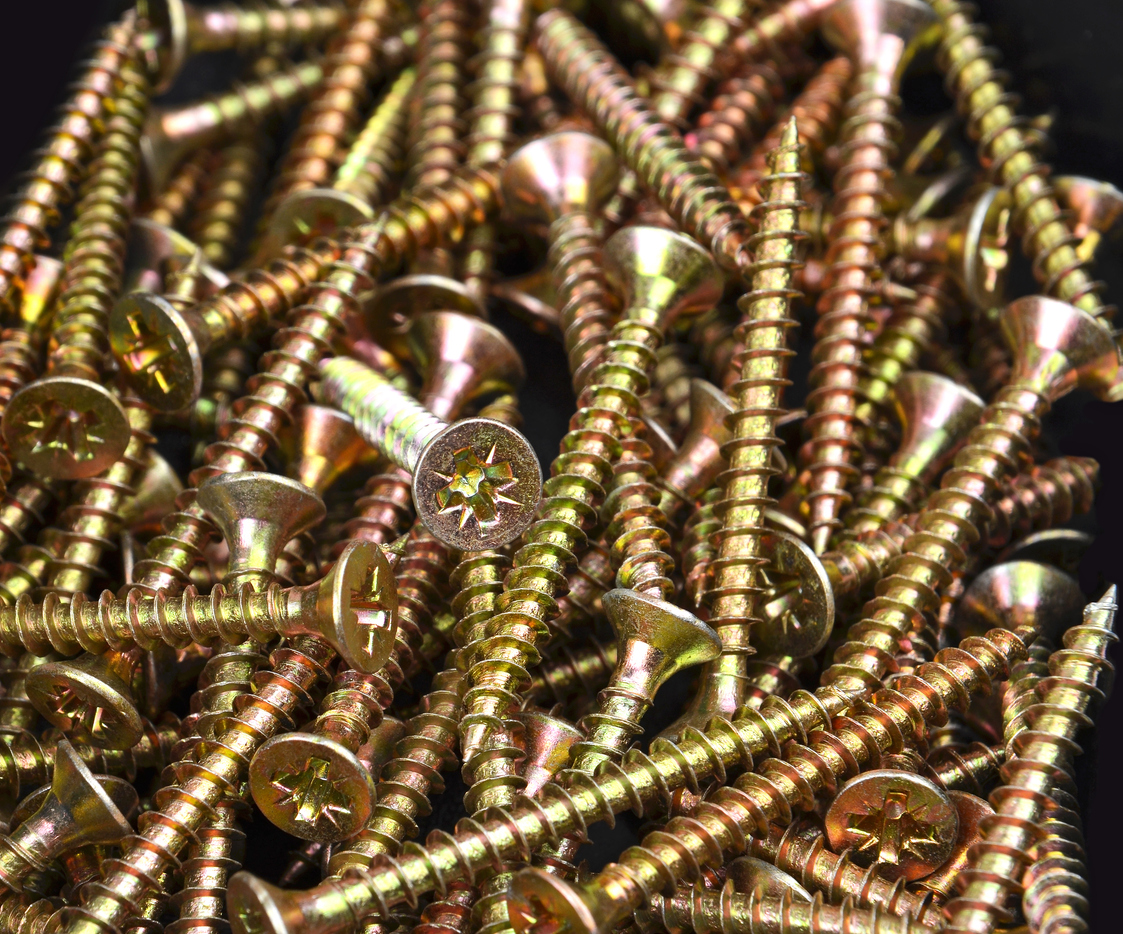
The size, shape, weight, and durability of your components should be some of the first factors considered when selecting a barrel.
Small, durable components can often tolerate traditional barrel tumbling well. More delicate components may require a system designed to reduce the potential for damage while still maintaining reliable electrical contact.
Consider questions such as:
-
How small are the components?
-
Are they lightweight or relatively heavy?
-
Can they withstand part-to-part contact?
-
Could components nest, tangle, or become trapped?
-
How much product needs to be processed per cycle?
-
What level of plating uniformity does the application require?
The answers can help determine the appropriate barrel configuration and contact system.
Consider Your Electrical Contact Method
Reliable electrical contact is essential during barrel plating, and there are several ways to achieve it.
Cathode danglers are an economical and effective option, particularly for heavier-duty components that can withstand normal barrel movement. Danglers extend into the load and maintain electrical contact with the parts as the barrel rotates.
For smaller or more delicate components, floating center rod or cone strip barrel configurations may be a better fit. These designs provide alternative methods of establishing electrical contact and can be useful when traditional danglers aren't ideal for the parts being processed.
Choosing the right contact system isn't simply about what works- it is about finding the solution that provides consistent plating while matching the physical characteristics of the components.
Pay Attention to Barrel Perforation

Perforation is another important consideration when plating small components.
The barrel needs openings that allow plating solution to circulate through the load effectively, but those openings must also be appropriately sized to contain the components. If the perforations are too large, small parts can become lodged or escape. If the design restricts solution flow too much, plating performance and processing efficiency can suffer.
The right perforation pattern balances part containment with effective solution exchange.
Match Barrel Capacity to Production Volume
For high-volume manufacturers, barrel selection isn't only about whether the parts fit. It's also about throughput.
A barrel that is too small for the application may require unnecessary additional cycles, while simply increasing barrel size isn't always the answer either. The goal is to determine an appropriate load size that allows parts to move properly and receive consistent exposure to the plating solution.

This becomes particularly important for manufacturers processing large quantities of small components.
High-Volume Small-Part Plating: The SPF America Multi-Plater
A great example is Novo Metal Finishing Equipment's work with SPF America, where the application required a multi-plater capable of supporting high-volume processing of small components.
For an operation like this, the entire plating system needs to work together. Barrel configuration, component containment, electrical contact, solution movement, load capacity, and material handling all influence the efficiency of the process.
Rather than treating the barrel as an isolated piece of equipment, Novo approaches it as part of the complete plating operation. For high-volume small-part manufacturers, this can help create a system designed around both the components being processed and the production demands of the facility.
Think Beyond the Barrel Itself
The right barrel also needs to integrate effectively with the rest of your plating line.
When evaluating a barrel system, manufacturers should consider:
-
Loading and unloading requirements
-
Barrel transfer and handling
-
Production cycle times
-
Plating chemistry
-
Available tank dimensions
-
Required production volume
-
Maintenance accessibility
-
Opportunities for automation
For high-volume applications, seemingly small improvements in handling or cycle efficiency can become significant when repeated across thousands of loads.
There Isn't One "Best" Plating Barrel
The best plating barrel is the one designed for your specific application.
A heavy-duty fastener and a small delicate component may both be barrel plated, but they shouldn't necessarily be processed using the same barrel configuration. Component geometry, durability, production volume, chemistry, electrical contact, and solution flow all need to be considered together.

Novo Metal Finishing Equipment works with manufacturers to develop plating equipment around their specific parts and production requirements. From economical cathode dangler systems to floating center rod and cone strip configurations, the goal is to provide the right combination of part protection, plating consistency, and production efficiency.
Need Help Choosing a Plating Barrel?
If you're processing small components and aren't sure which barrel configuration is right for your operation, Novo Metal Finishing Equipment can help evaluate your application and determine a solution designed around your parts, process, and production goals.
Contact Novo Metal Finishing Equipment to discuss your plating application and find the right barrel solution for your operation.